The International Energy Conservation Code allows multiple prescriptive paths. Beyond R-value tables, the assembly U-factor method evaluates the entire wall or roof, letting layers collectively meet a maximum U-factor. This gives architects more flexibility to comply without unnecessary continuous insulation or costly redesigns. It’s a legitimate prescriptive route that aligns with code intent and keeps projects buildable.
Using NFRC-recognized calculation methodologies for U-factor, SHGC, and related properties provides a common language with code officials and peer reviewers. Our NFRC-certified modelers apply these procedures so your submittals carry weight and your approvals aren’t slowed by methodology debates.
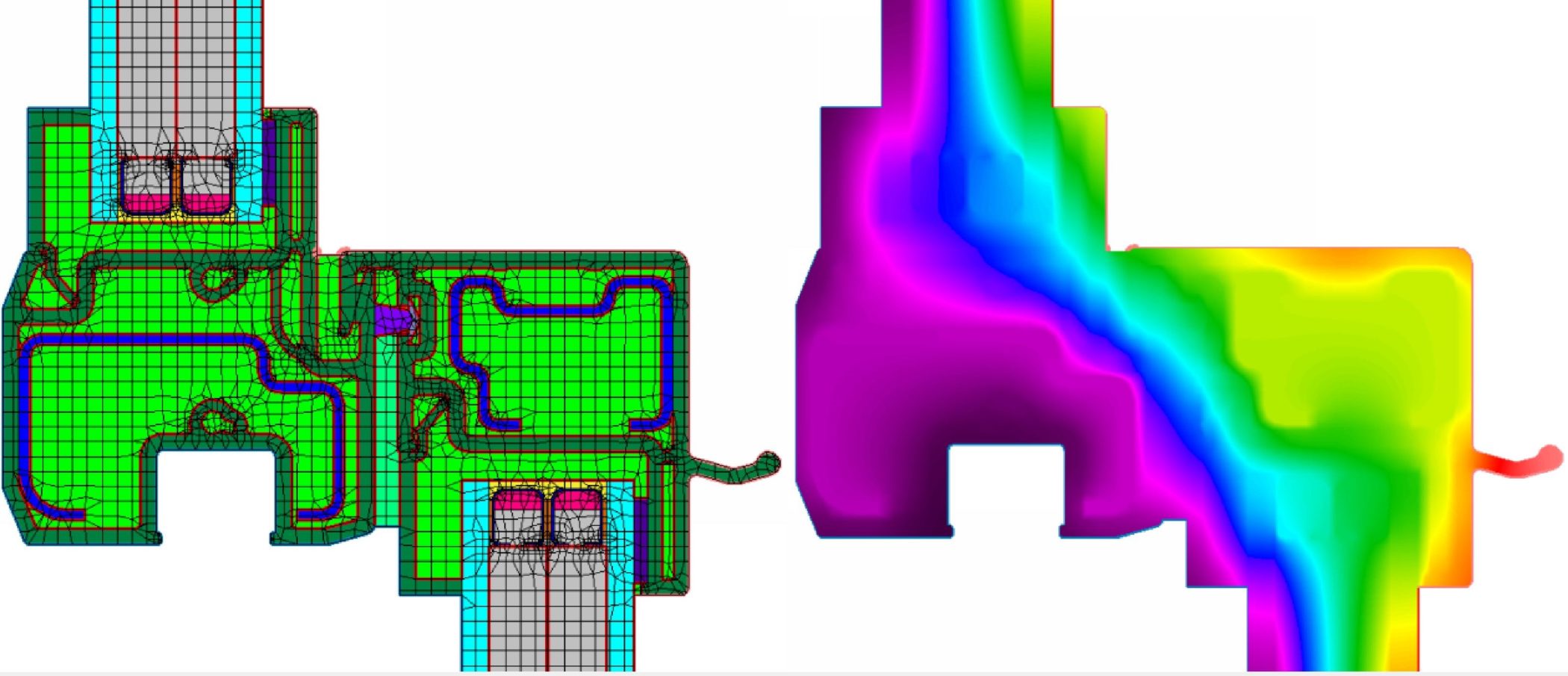
We use 2-D finite-element heat-transfer tools (e.g., LBNL THERM and companion databases) to quantify assembly performance and visualize hotspots at frames, edges, and intersections. The result is a defensible U-value and clear graphics that make fixes obvious to designers and installers.
Some assemblies need hygrothermal analysis to address both heat flow and moisture transport. When that’s the driver, WUFI—paired with ASHRAE 160 guidance and established result-evaluation practices—helps predict condensation and mold risk and supports durable decisions. Use it when climate, occupancy, or material choices raise red flags.