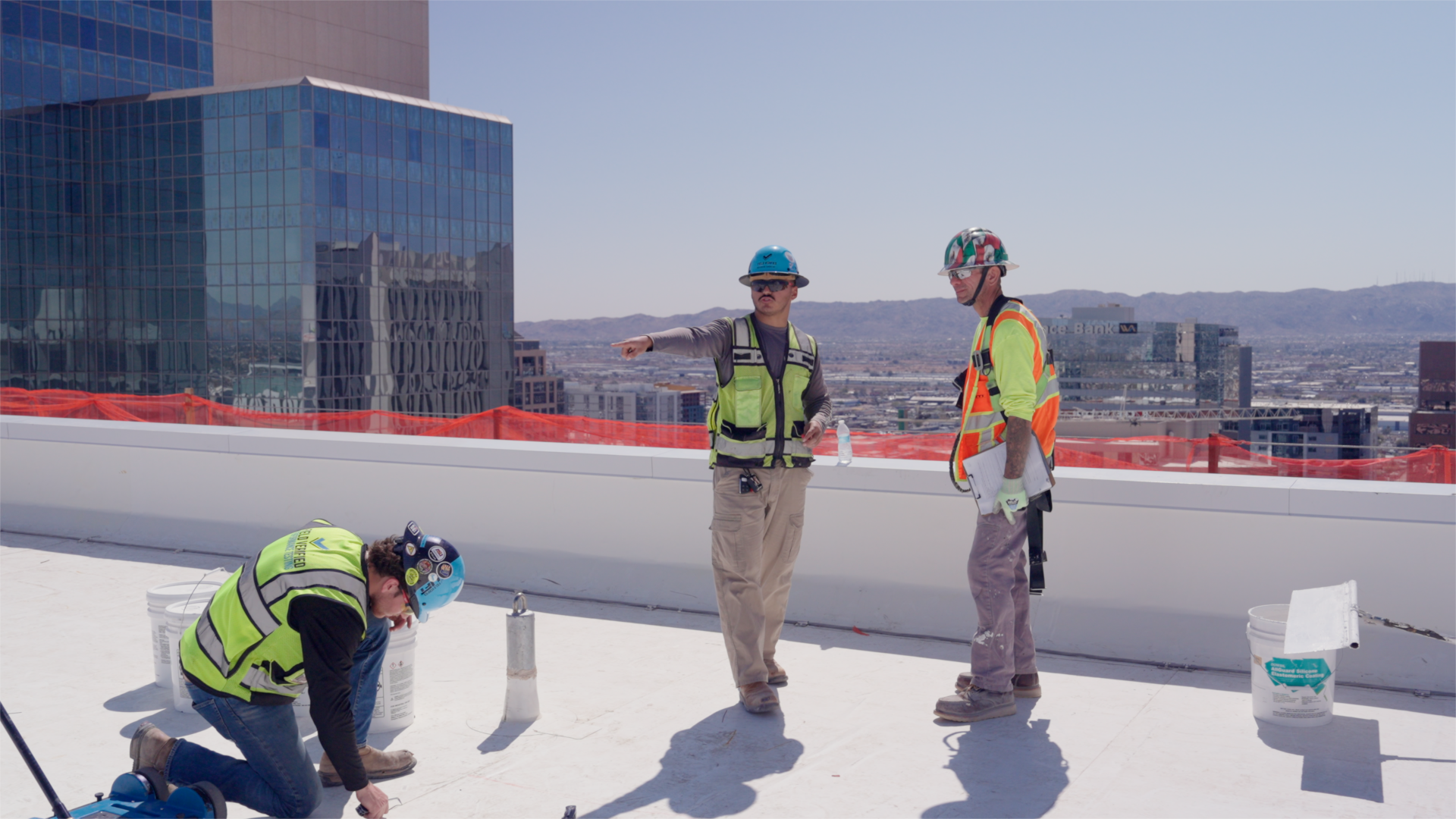
A commercial roof inspection (roof condition survey, roof evaluation) documents membrane condition, penetrations, terminations, parapet coping, perimeter flashing, drainage, ponding water, and adjacent conditions that affect watertight integrity. Best practice for owners and facility managers is semiannual inspections—spring and fall—and after severe weather events. Clear deliverables—roof condition report, roof plan, photo log, and prioritized repairs—support budget planning, insurance claims, capital planning, and schedule protection across single facilities and portfolios.
Moisture surveys of roofing and waterproofing systems use non-destructive electrical impedance scanners per ASTM D7954 to read through insulation regardless of ambient conditions. Infrared thermography (including drone thermal imaging) can reveal surface temperature differentials but must be verified. Targeted core cuts confirm assembly, wet insulation, and substrate readiness. A combined approach—impedance scan, selective infrared, and verified cores—produces a defensible moisture map for low-slope commercial roofs and reduces rework during leak investigations and preventive maintenance.
Recovery or replacement decisions should align with code and manufacturer requirements. Consider allowable recover conditions, existing layers, slope and drainage, fire and FM wind design listings, structural capacity, and removal of wet insulation. Define a scope that documents wet-zone removal, repair details at penetrations and terminations, and substrate preparation. The outcome is a recover-versus-replace matrix that ties options, timing, and cost to owner decision-making.
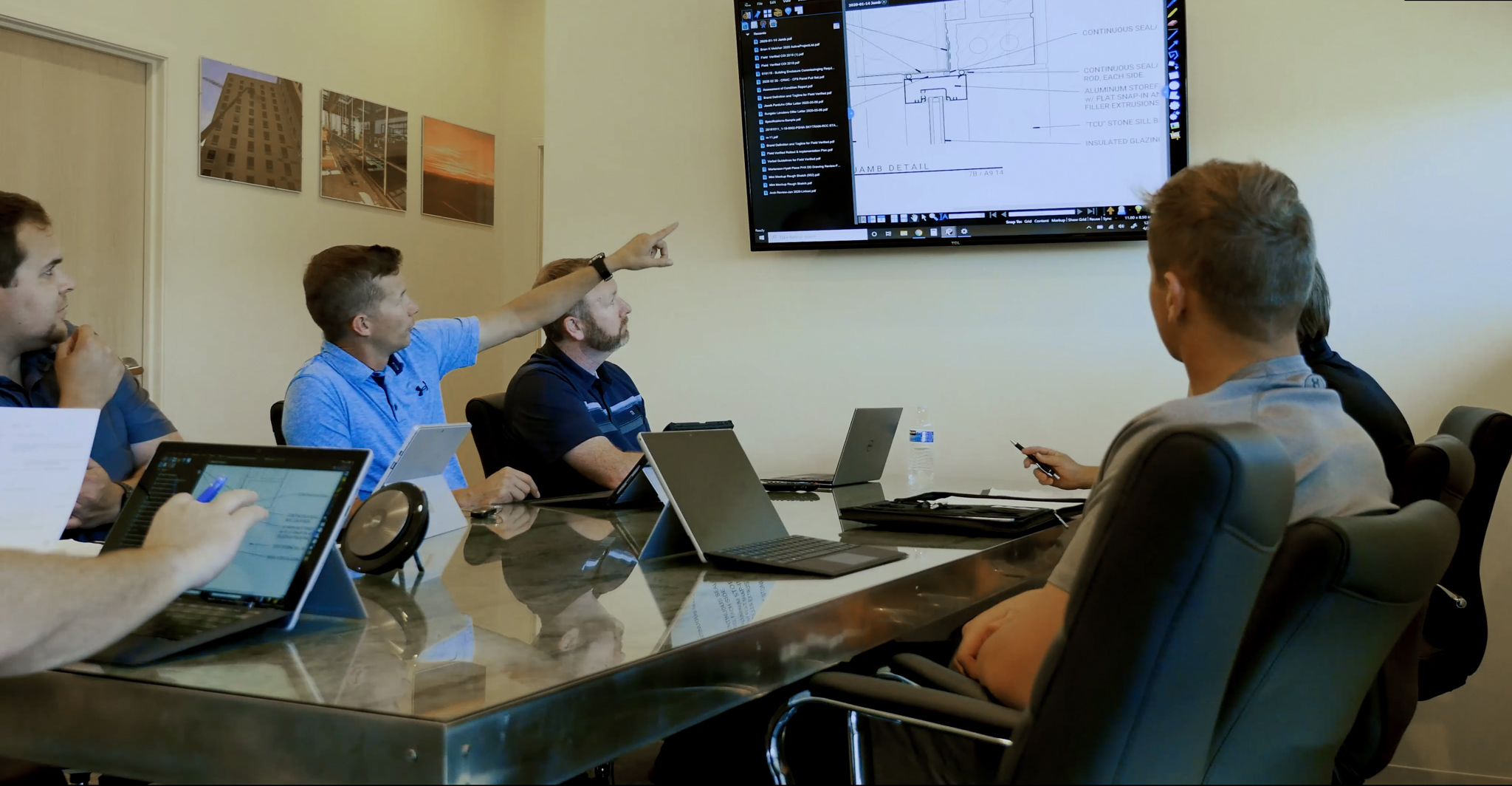
Actionable reporting accelerates repairs and lowers emergency spend: elevation-marked plans, location-linked photos, moisture maps, punch-ready deficiency lists, suggested scope of work, and budgeting ranges. For multi-site portfolios, programmatic asset management rolls these assessments into capital and maintenance plans, end-of-warranty checks, and routine fall protection considerations. Consistent data—roof grid, labeled photos, clear priorities—enables faster bid packages, cleaner contractor handoffs, and measurable life-cycle cost reductions.